

B2B Sales Enablement Content Strategy Secrets: How Top Brands Turn Content into Deals
A sales enablement content strategy turns marketing assets into revenue drivers by aligning content with buyer needs and sales conversations. The top B2B brands use structured programs to ensure the right content gets used at the right time — boosting win rates, accelerating deals, and keeping marketing and sales aligned.
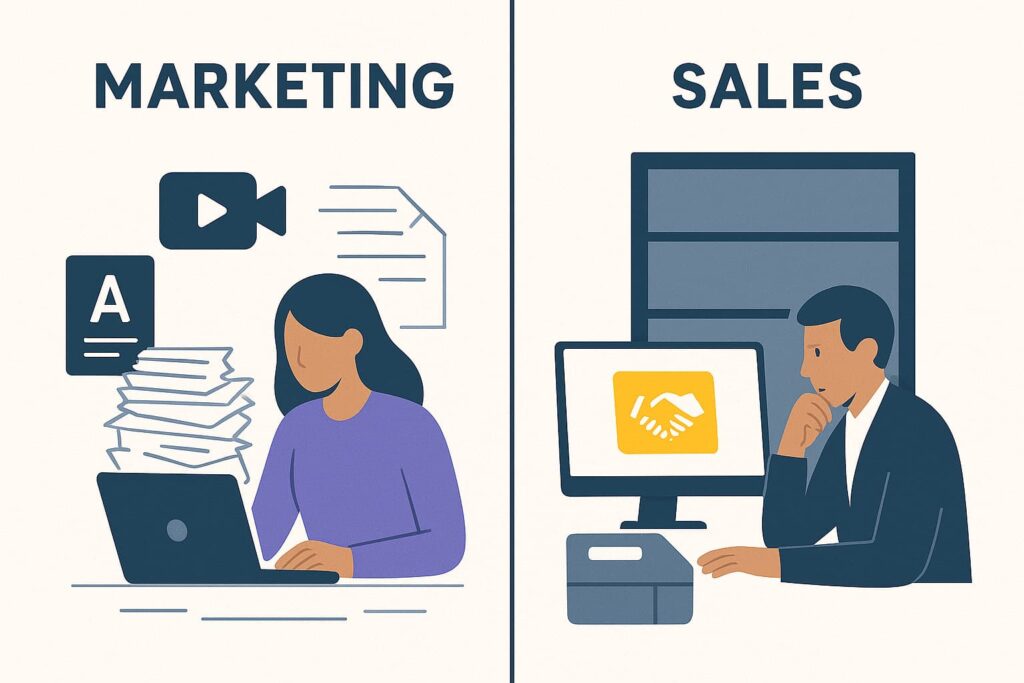
Sales enablement isn’t just a buzzword. For many B2B organizations, it’s the difference between content sitting idle on a server and content actively driving revenue.
Too often, marketing teams invest hours in creating materials, only to see them go unused — or worse, watched, ignored, and forgotten. The truth is, even the best content fails if it’s not tied to the sales process, aligned with buyer needs, and structured to influence decisions.
Organizations with a structured sales enablement program see a 15% higher win rate than those without one. –Alex Zlotko, Forecastio
Top-performing B2B brands are aware of this, and they’ve developed sales enablement content strategies that consistently convert. Here’s how they do it — and how you can, too.
The Challenge in Numbers
The numbers make it clear: this is a widespread challenge. Research from Seismic indicates that approximately 65% of sales content remains unused by representatives. Marketing teams may create beautifully designed collateral, thought leadership pieces, or product sheets, yet they often fail to reach the hands of the people who could close deals.
The problem isn’t just content creation — it’s measurement. According to CSO Insights, 60% of B2B marketers struggle to measure the ROI of their content, leaving them unsure which assets actually influence opportunities.
Meanwhile, Forrester reports that 65% of B2B buyers find vendor content irrelevant to their journey, which means companies are often losing potential revenue simply because the right content wasn’t available at the right moment. These stats make one thing clear: there’s a significant gap between marketing output and sales impact, and closing it requires more than producing more content — it demands a strategic approach.
The truth is, most B2B companies aren’t failing because they don’t have content — they’re failing because their sales enablement content isn’t built to actually drive deals.
Misaligned messaging, orphaned assets, and uncoordinated efforts result in wasted resources and missed opportunities.
The bright silver lining here is that organizations that take a structured, strategic approach are leaving their competition behind. Sales enablement adoption has surged 343% in recent years, and the companies that get it right are closing deals faster and more efficiently than ever.

Insight #1: Context is Everything
Top brands don’t treat all buyers the same. HubSpot research confirms that buyers complete up to 70% of their decision-making process before engaging with sales. That means your content must resonate long before a rep ever picks up the phone.
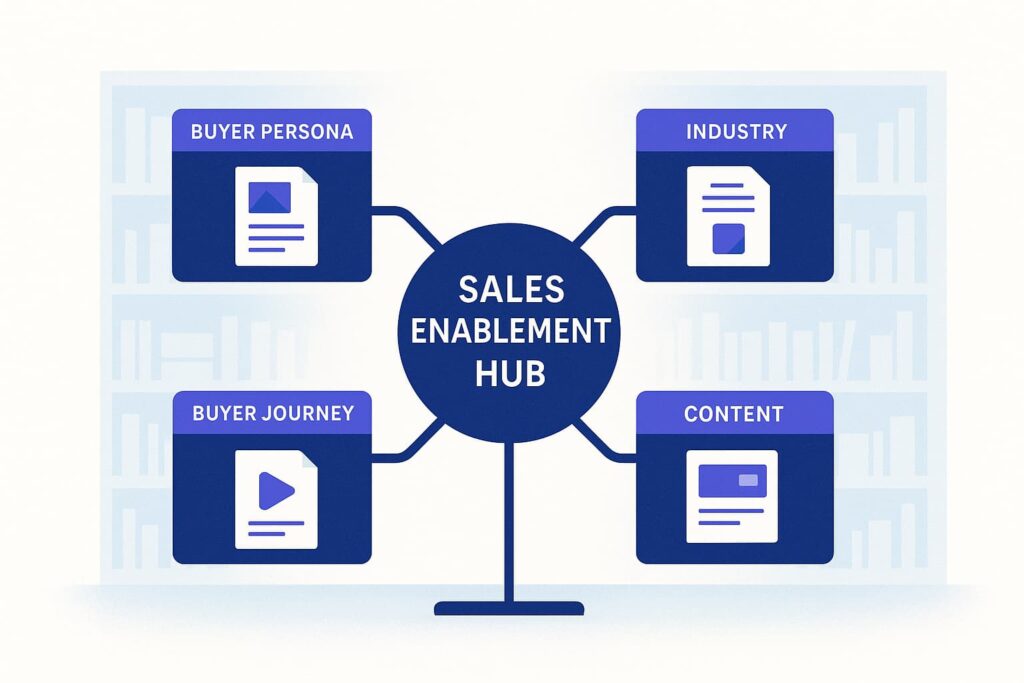
Consider how Salesforce approaches content. They don’t just create product collateral — they map content to specific buyer personas and stages of the journey.
A CTO researching CRM software might first see thought leadership on digital transformation, while a sales manager evaluating ROI gets case studies demonstrating efficiency gains. By delivering content that aligns with context, Salesforce ensures that by the time sales engages, buyers are already primed.
The “aha” moment here is simple: content alone isn’t enough. Contextual relevance drives adoption and action.
Insight #2: Curate, Don’t Just Create
More content doesn’t automatically mean better results. In fact, overwhelming sales teams with too many assets can reduce adoption. The best B2B brands know that curation matters.
IBM’s approach is instructive. They maintain a centralized sales enablement hub where assets are organized by solution, persona, and stage of the buyer journey. Reps know exactly which piece to use in a given scenario, reducing confusion and increasing engagement.
Practical takeaway: audit, categorize, and prioritize your content. Identify high-impact assets and retire or repurpose outdated pieces. Curated content ensures sales teams have what they need — when they need it.

Insight #3: Close the Feedback Loop
Collaboration between sales and marketing isn’t optional — it’s essential. Top-performing organizations continually gather feedback from reps to refine and optimize their content strategy.
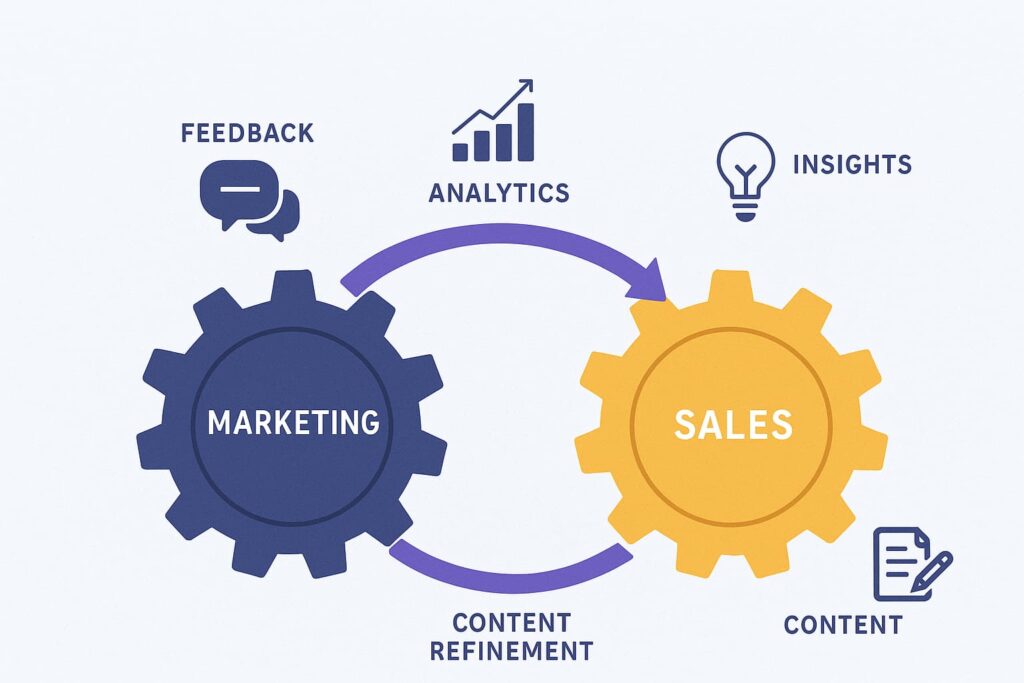
At Adobe, sales and marketing teams hold monthly “content impact reviews.” Reps report which assets are helping them move deals, which are ignored, and where gaps exist. Marketing then updates content libraries based on real-world usage and buyer response. This feedback loop ensures that content remains effective, relevant, and action-oriented.
The insight is clear: strategy is a living document, not a static plan. Continuous iteration is what separates successful programs from mediocre ones.
Insight #4: Content Shapes Perception
Sales enablement content doesn’t just inform — it shapes buyer perception. Top brands use content strategically to establish credibility, foster trust, and differentiate themselves.
Consider LinkedIn’s B2B case studies. They don’t just explain the mechanics of their advertising platform — they showcase how clients achieved real results. A marketer reading these case studies isn’t simply learning a feature; they’re envisioning themselves achieving similar outcomes.
By combining storytelling with evidence, LinkedIn transforms content into a tool that directly influences decision-making.
Lesson learned: well-crafted content positions your company as the solution, shortening the sales cycle and increasing conversion rates.

Insight #5: Measure What Matters
Measurement is the final piece of the puzzle. Many teams track vanity metrics, such as downloads or page views, but these metrics tell only part of the story.
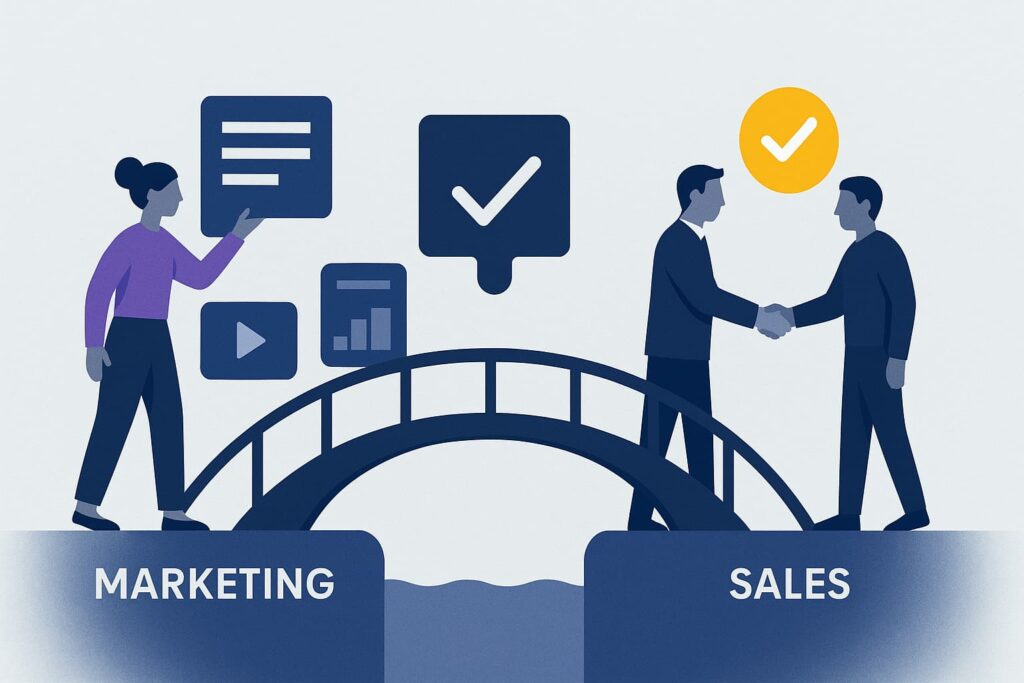
The smartest B2B brands focus on metrics that directly tie to sales outcomes, including content usage by reps, influence on deals, and impact on sales velocity.
For instance, HubSpot tracks which sales enablement assets are referenced in opportunities that convert. By connecting content to closed deals, they can double down on what works and retire what doesn’t.
This approach transforms marketing efforts into measurable business outcomes, helping to justify investment in content creation.
Actionable Steps to Build an Effective Sales Enablement Content Strategy
So, what can you do to turn content into deals? Start with five practical steps:
1. Audit and categorize existing content to identify high-value assets and gaps.
2. Map content to buyer personas and journey stages, ensuring relevance and contextual alignment.
3. Collaborate continuously with sales through feedback loops, content reviews, and joint planning sessions.
4. Curate high-impact assets while reducing clutter to make adoption effortless for reps.
5. Measure influence on deals using metrics that tie content usage to sales outcomes, then iterate.
These steps don’t just improve content usage — they help your entire sales and marketing engine work in sync.
Summary & Takeaways
Looking to turn content into deals? B2B brand leaders who treat sales enablement content as a strategic lever, not a collateral checklist, outperform their peers.
Context, curation, collaboration, storytelling, and measurement are the five pillars that make a difference.
If you’re ready to see real results, start by auditing your content, mapping it to your buyers, and working closely with your sales team.


Want to Stay Ahead of Your B2B Competitors?
Every marketing professional faces pressure to deliver growth and prove ROI.
We’ve distilled insights from top-tier sources to create a strategic guide that helps leaders like you transform challenges into opportunities.
FAQs
What is a sales enablement content strategy?
A sales enablement content strategy is a structured plan for creating, curating, and distributing content that directly supports sales teams. It ensures reps have the right resources at the right time to engage buyers and close deals.
Why is sales enablement content important in B2B?
Sales enablement content gives reps contextually relevant resources that align with buyer journeys. When done well, it improves marketing and sales alignment, shortens deal cycles, and increases win rates.
How do you measure the ROI of sales enablement content?
Measure ROI by tracking metrics tied to revenue: content usage by reps, impact on opportunities, and influence on closed deals. High-performing teams focus on outcomes, not vanity metrics like downloads.