

Increase Website Traffic for B2B Companies With These 12 Proven Strategies
Increasing website traffic for B2B companies requires more than publishing content — it demands targeted SEO, consistent publishing, smart distribution, and data-driven iteration. These 12 proven strategies will help you attract qualified buyers, boost visibility, and turn traffic into leads.

Driving consistent website traffic is one of the most challenging tasks for B2B organizations seeking to increase website traffic effectively.
Marketing teams are stretched thin, digital noise is at an all-time high, and buyers are increasingly informed before they ever speak with sales. Missed opportunities are costly: stagnant growth, lost leads, and a brand that gets lost in the shuffle.
Why is increasing website traffic so hard?
In B2B marketing, your audience doesn’t just stumble across your content. They’re researching, comparing, and evaluating long before they ever make a call.
Research from HubSpot shows that 61% of marketers cite generating traffic and leads as their top challenge, and Gartner notes that buyers spend only 17% of their journey talking to vendors. That means your content isn’t just supporting the sales funnel — it is the funnel.
Many B2B marketers struggle because traditional content tactics don’t scale, the right data isn’t being used, or their efforts are scattered across channels. In fact, 55% of B2B marketers cite “creating content that prompts a desired action” as their top content-related challenge — more than any other issue on their list.
Let’s also talk about one of the biggest possible threats to B2B marketers trying to increase traffic to their websites — “zero-click” search results.
A Wall Street Journal analysis reveals that 80% of consumers now resolve 40% of their search queries without clicking any links, thanks to AI-powered search summaries and chat interfaces.
This emerging “zero-click” behavior shows how web traffic is under threat—not because content isn’t good, but because search behaviors are shifting dramatically. B2B marketers must adapt or risk being bypassed entirely.
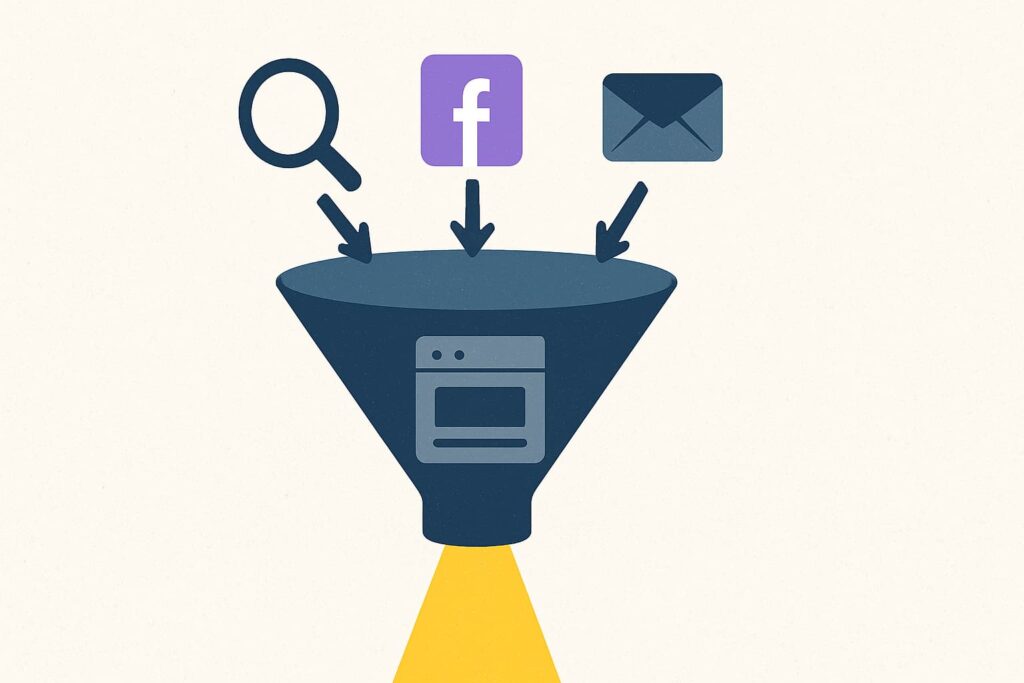
So, is there any good news? Well, there are many actionable strategies to start increasing website traffic — and we’re going to share them with you here.
“Your content isn’t just helping the funnel — it is the funnel.”
1. Optimize Existing Content for Search Engines
A quick win for many B2B organizations is ensuring current content is optimized for search. This means auditing pages for keywords, meta tags, headings, and link structure. Even minor improvements in SEO can have a significant impact on visibility and B2B website traffic.
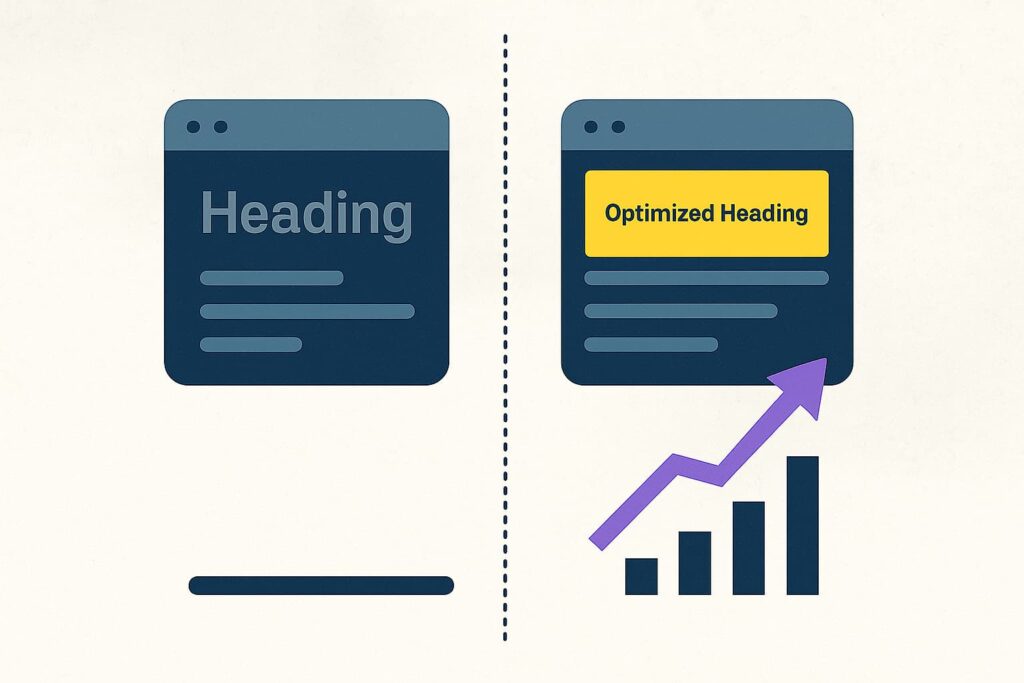
Keep in mind that more traffic isn’t always better traffic. If you bring in thousands of visitors who never convert, you’ve just increased costs without impact.
The ultimate goal is to attract qualified traffic that aligns with your ideal customer profile. This reframes the challenge from “get more clicks” to “get the right clicks.”
Use analytics to identify pages with high impressions but low click-through rates, and refresh the title tags and meta descriptions accordingly.
2. Develop Content Around Search Intent, Not Just Keywords
Rather than stuffing pages with keywords, create content that matches what people really want when searching.
Aim to ensure that your content is discoverable, structured, and authoritative. Start by optimizing page titles, meta descriptions, headers, and internal linking. Use your primary keyphrase naturally within content, headings, and metadata.
Companies that publish content grounded in keyword research are 434% more likely to achieve a higher ROI on their marketing efforts.
Additionally, consider that Google and AI search are now competitors. With zero-click searches and AI overviews, Google is increasingly keeping users on its own properties instead of sending them to websites.
That means marketers have to compete not just with other websites, but with the platforms themselves. The “rules of the game” have changed.

Use tools like Google Search Console or SEMrush to identify long-tail queries and align content with informational, commercial, or transactional intent. This helps cut through “zero-click” barriers, ensuring your site still earns the click when AI search engines surface summaries.
3. Publish New, High-Value Content Consistently

B2B buyers spend a significant amount of time researching solutions before speaking with sales representatives.
By publishing content that addresses their questions, pain points, and interests, you increase the chances they’ll discover your site organically.
Consistency is Invisible Until it’s Recognized

Publishing content regularly doesn’t just create more pages; it builds authority. Over the course of six months, even modest weekly posts can double traffic if optimized correctly.
To get started, create a content calendar with at least 1–2 high-value assets per month (guides, blog posts, or reports).
4. Invest in Content That Converts
Build content frameworks (including pillar pages, case studies, or original research) that not only attract readers but also give them a reason to stay and take action.
You can achieve this by incorporating clear CTAs (such as “Download a Guide,” “Book a Demo,” or “Start a Trial”) to convert visits into leads. This tackles the #1 challenge marketers report: getting content to actually drive a desired action.
5. Leverage AI to Repurpose Content Efficiently
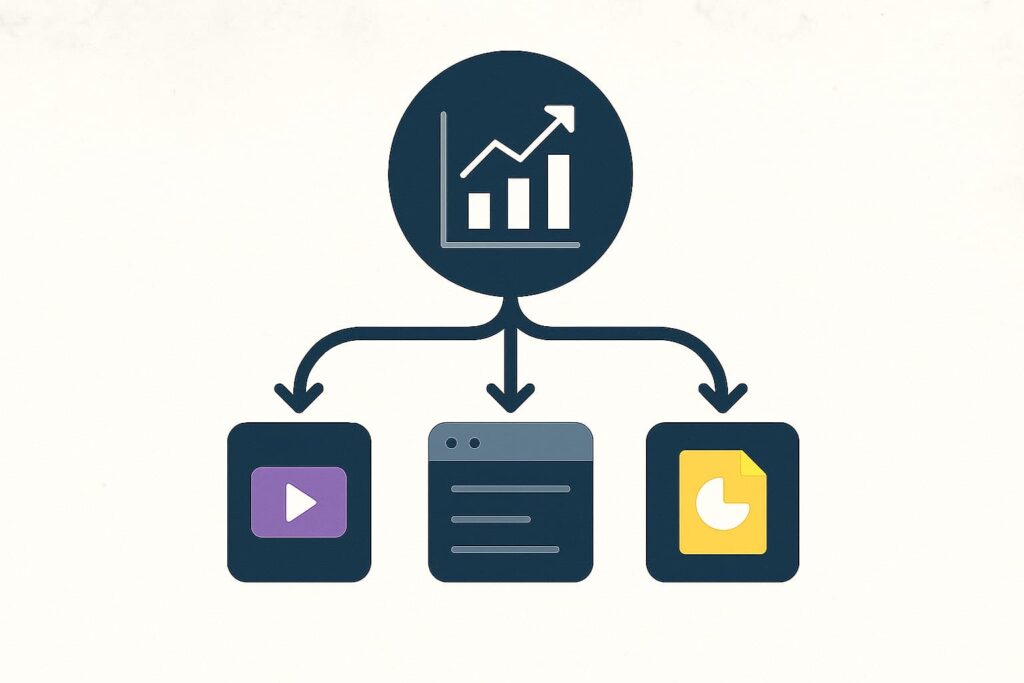
AI can multiply your efforts by turning one asset into many: a blog post can become social snippets, a webinar can become a white paper, a landing page, or an email sequence. This maximizes reach without multiplying effort. Repurposing content intelligently can multiply its reach by three to five times without requiring the same level of production effort.
“AI is a multiplier, not a replacement.”
Aim to identify one high-performing asset each month and repurpose it into three to five new formats.
6. Diversify Traffic Sources Beyond Search
Even the best content won’t drive traffic if no one sees it.
The old formula was: write great content → optimize for SEO → traffic follows.
Today, even high-quality content can fail without smart distribution. Thinking of content as a product that requires a launch plan is a mindset shift many marketers miss. According to HubSpot, LinkedIn generates three times more leads for B2B marketers than other social platforms.
So, aim to strengthen distribution through LinkedIn, newsletters, guest posts, and industry communities where B2B buyers already spend time. You can tailor messaging to the channel and audience segment to increase engagement.
This builds resilience and reduces dependency on Google’s evolving algorithms.
Core Principles of Driving Traffic
As you dive into these strategies, it helps to understand a few foundational principles:
Quality Over Quantity
More content doesn’t automatically mean more traffic. Smarter content wins.
Audience Understanding is Non-negotiable
If your content doesn’t speak to the right person at the right time, it’s invisible.
Consistency Compounds
Regularly publishing and promoting content helps build authority and increase discoverability.
Data Drives Improvement
Tracking performance isn’t optional; it’s how you refine and scale what works.
Think of it like tuning a guitar. You can strum all day, but if the strings aren’t in tune, no one’s going to stick around to listen.
7. Invest in Backlink Building and Thought Leadership
B2B websites that earn high-quality backlinks from industry publications or reputable partners experience improved search authority and increased traffic. Thought leadership pieces, guest posts, and strategic partnerships can be effective tools.
Try to identify 5 industry websites to pitch guest articles or insights this quarter.
8. Analyze and Address Traffic Bottlenecks
Traffic may be getting to your site, but visitors aren’t converting. Use analytics to identify underperforming pages, broken links, or slow-loading pages. Optimizing user experience improves both SEO and engagement.
Aim to conduct a monthly site audit to identify and address technical issues or friction points.
9. Use Data to Understand and Target Your Audience
Understanding what your audience searches for and reads helps shape content that attracts them. Utilize search data, social insights, and competitor research to inform the creation of B2B content marketing.
3 Simple Steps to Start:
Audit top-performing competitor content.
Identify high-search, low-competition keywords.
Align your content to solve real pain points.
10. Engage in Strategic Social Media Amplification
Sharing content on LinkedIn, X (formerly Twitter), and other B2B-friendly channels can increase reach and generate backlinks. Paid social promotion can also amplify content for the right audiences.
Try to schedule 3–5 posts per content asset, each tailored for a specific audience segment.
11. Incorporate Visuals and Interactive Content

Content with visuals, infographics, videos, or interactive elements tends to attract more attention and shares, boosting traffic. B2B buyers often engage with data-driven graphics or short explainer videos.
Aim to include at least one visual asset in each long-form content piece.
12. Measure, Learn, and Iterate
Half of marketers say their content underperforms, but often it’s not because the content is bad — it’s because they can’t measure or connect it to business results.
“Without data, you’re just another person with an opinion.”
– W. Edwards Deming
Solving traffic growth starts with solving measurement and attribution, not just writing more blog posts. Track KPIs like page views, engagement, bounce rate, and conversion. Learn what works and adjust quickly.
“Quality beats quantity every time — smarter content wins.”
Set up monthly reporting to review traffic, top-performing pages, and new opportunities. The market research firm Forrester reports that companies that invest in continuous optimization report double the lead quality compared to those that don’t.
One Additional Insight: First-party Data is the New Fuel for Growing Traffic
As third-party cookies vanish, the brands that thrive will be the ones generating original insights, surveys, and customer data that others link to.
As Jack Black’s character in School of Rock proclaimed, “Knowledge is power.” In a world losing cookies and third-party signals, owning your own insights and audience data isn’t just compliance — it’s competitive power. This isn’t just about compliance — it’s about differentiation. Owning first-party data helps you drive more traffic opportunities.
Take Action Today
Increasing website traffic is a multi-faceted challenge, but it’s entirely solvable with the right approach. By combining optimization, content creation, AI, promotion, and data-driven iteration, B2B marketers can start seeing measurable results.
Don’t wait for the next quarter to try these tactics. Pick one or two today and start driving meaningful growth for your website.

Quick Wins to Implement Immediately:
Audit top-performing pages for SEO improvements.
Repurpose one high-value asset into multiple formats.
Share content across three targeted channels this week.

Want to Stay Ahead of Your B2B Competitors?
Every marketing professional faces pressure to deliver growth and prove ROI.
We’ve distilled insights from top-tier sources to create a strategic guide that helps leaders like you transform challenges into opportunities.
FAQs
What is the best way to increase website traffic for B2B companies?
The most effective approach is to combine SEO optimization, consistent content publishing, and strategic distribution across LinkedIn, email, and industry-specific communities. This ensures qualified buyers find and engage with your content.
How long does it take to see results from B2B website traffic strategies?
Most companies see measurable improvements in 3–6 months with consistent execution. Quick wins, like SEO audits and repurposing content, can deliver results sooner, while backlink building and authority development take longer.
Which channels drive the most B2B website traffic?
LinkedIn, search engines, and email newsletters continue to be the top traffic drivers for B2B marketers. Diversifying beyond search ensures resilience against algorithm changes and “zero-click” behaviors.